
Physicals Are A Proactive Form Of Preventative Healthcare
Although not every individual follows the recommended healthcare schedule, people are supposed to see a healthcare professional regularly. Formally known as a primary care provider (PCP), these practitioners can be pediatricians, or generalists for routine care. Specifically, adults are expected to get an annual physical while children may be on a modified schedule depending on age. Infants and toddlers tend to see the pediatrician more frequently throughout the year while elementary school aged children will usually stick to an annual or biannual schedule. These regular visits are essential as part of a preventive healthcare strategy.

Why physicals matter
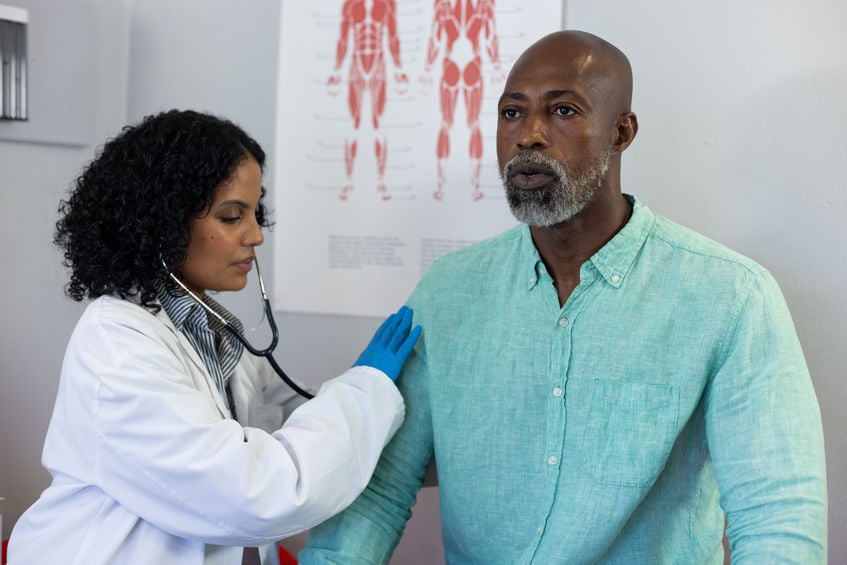
The annual physical exam is a medical appointment that checks a patient’s current health. Standard vitals like height and weight measurements, blood pressure and even breathing will be recorded. For people with known medical conditions or a family history of certain diseases, extra testing might be part of the process. For children other tests such as checking for scoliosis or a hearing test might be included. Similarly, some people might be required to have blood work taken or asked to provide a urine sample. The overall goal is to provide a snapshot of a patient’s health at that moment and look for any inconsistencies or causes for concern that might require more care.
Early detection
One of the biggest benefits of a routine physical exam is that a PCP can spot problems early, which can result in more effective treatments. For example, a person who is discovered to have slightly higher blood pressure may require follow up visits. If confirmed that hypertension is present, the physician may recommend starting medications or even simply adjusting lifestyle and dietary habits to determine if the blood pressure can be corrected naturally without the need for prescriptions.
Better health management
Some people have chronic illnesses such as diabetes, arthritis, asthma, or even cardiovascular disease which require more frequent monitoring to stay well managed. These individuals will most likely see a physician or specialist more frequently than once a year. However, doing so can ensure that if changes are discovered, the patient and doctor can work together proactively to address any problems rather than allowing an issue to grow into a more serious health event.
Save money
Just like cars need routine maintenance to avoid costly repairs, regular checkups can also help people avoid the financial heartache of unexpected medical expenses. While not every medical event can be avoided through an annual or scheduled physical, incorporating a prescription medication or lifestyle changes is usually significantly cheaper than paying costly hospital bills for an emergency room visit or unexpected inpatient stay.
Stay on top of health
For most people, getting ahead of medical events or diagnoses is always a better strategy than waiting until a problem has become severe and can no longer be ignored. Most insurance plans cover annual wellness visits or require a minor co-pay. Likewise, even routine checkups will usually only require a small office fee. Take control of health outcomes by working with a PCP to develop a physical schedule catered to individual medical needs.
related posts

May 14, 2026
A primary care office with walk-in visits saves time, eases stress, and makes everyday health needs feel manageable, even when life gets messy.
May 21, 2026
Wondering when to see a PCP for an annual visit? Several factors can affect when a patient should be seen, but consistency is most important.

May 28, 2026
Achieving better health should be easy. Learn the benefits of same-day walk in appointments with a healthcare provider.